What It Actually Costs to Change a Life
What does it actually cost to change a life?
Less than most people think. More than most people measure.
A Bridge for Kids was founded by former institutional portfolio manager Michael Nance, who spent nearly two decades managing multi billion dollar investment portfolios and advising companies on operational efficiency and capital allocation. That business discipline shaped the organization from the beginning. This is not charity driven by sentiment. It is opportunity deployed with intention and measured for performance.
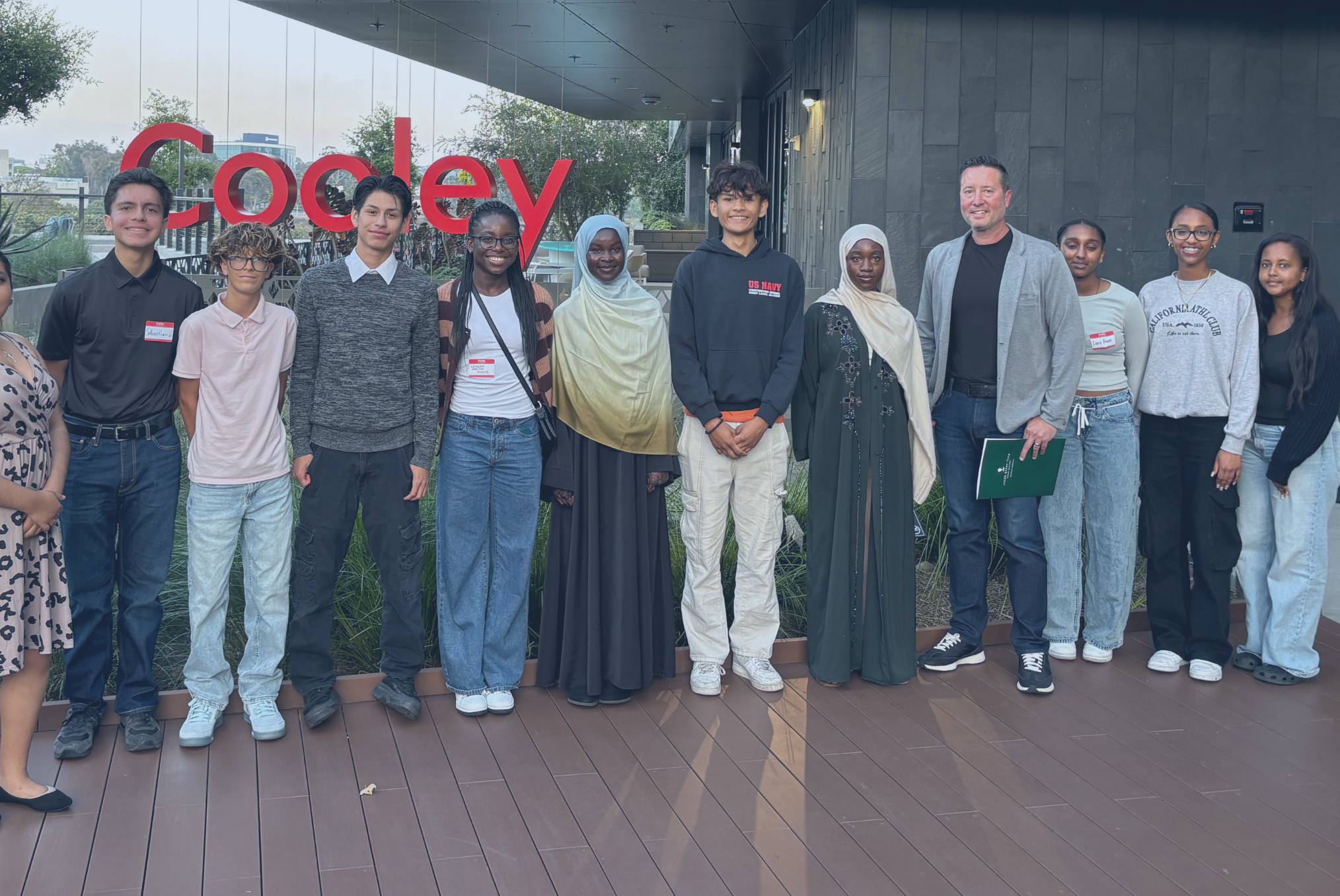
Each year, hundreds of students are interviewed. Selection is rigorous. Resources are invested in students who demonstrate character, effort, and sustained academic commitment. Capital is directed toward specific barriers such as tutoring, standardized test preparation, technology access, campus exposure, and athletic development. Every dollar addresses a defined constraint.
Over the past three years, the number of students sponsored has doubled. During that same period, operating cost per student has been cut by more than half. Efficiency has increased as scale has increased. Growth has strengthened the model rather than diluted it.
Today, operating cost per student is under one thousand dollars. For that level of investment, students gain academic support, exposure to selective universities, mentorship, structured accountability, and expanded networks.
The outcomes are measurable. For eight consecutive years, one hundred percent of seniors have gone on to college. Students have earned admission to every Ivy League university and many of the most selective institutions in the country. The model has now supported more than one thousand students, demonstrating that disciplined impact can scale without sacrificing results.
In economic terms, the return on that investment is substantial. A first generation college graduate dramatically increases lifetime earning potential, strengthens family stability, and shifts expectations for future generations. The effect compounds across households and communities.
For less than the cost of a luxury vacation, a student’s life trajectory can change permanently.
Changing a life is not about a single check. It is about targeted capital deployed consistently over time.
When opportunity is treated as disciplined investment rather than discretionary spending, the returns compound.
That is the economics of opportunity.